COMPARABLES
When engaging in real estate transactions, the concept of comparables, often abbreviated as 'comps,' holds significant importance.
Comparable properties serve as essential reference points for determining the value of a specific property, guiding pricing strategies, and making informed decisions. Whether buying, selling, or investing in real estate, understanding comparables is crucial for all parties involved in the transaction process.
The Significance of Comparables
In real estate, comparables refer to recently sold properties that are similar to the subject property in terms of location, size, condition, and amenities. These properties provide valuable insights into the market value of the subject property, enabling sellers, buyers, appraisers, and real estate professionals to make well-informed decisions.
Pricing Guidance
For Sellers:
When listing a property for sale, sellers can use comparable properties to determine an appropriate listing price. Analyzing the sale prices of similar properties in the area helps in setting a competitive and realistic asking price.
For Buyers:
Prospective buyers can leverage comparables to assess whether a property is reasonably priced. By comparing the subject property to similar recent sales, buyers can gauge whether the asking price aligns with market standards.
Appraisal Support
For Appraisers:
In the appraisal process, appraisers rely on comparables to evaluate the subject property's value. By examining comparable sales, appraisers can justify their valuation and ensure that it accurately reflects the property's market value.
Investment Analysis
Investment Analysis
For Investors:
Real estate investors use comparables to assess potential investment opportunities. By studying comparable sales and rental data, investors can make informed decisions about property acquisitions, renovations, and rental income projections.
Locating and Analyzing Comparables
In today's digital age, accessing comparable property data has become more convenient due to online real estate databases, local MLS (Multiple Listing Service) platforms, and real estate agent resources. When analyzing comparables, key factors to consider include:
Property type (e.g., single-family home, condominium, multi-family property)
Location and neighborhood characteristics
Property size, including square footage and lot size
Number of bedrooms, bathrooms, and other features
Sale dates and transaction terms
Property condition and any notable upgrades or renovations
Conclusion
In conclusion, comparables play a pivotal role in the real estate ecosystem, providing valuable benchmarks for property valuation, pricing strategies, and investment decisions. Whether navigating residential or commercial real estate transactions, understanding and effectively utilizing comparable sales data is essential for both industry professionals and individual buyers and sellers.
By leveraging comparables, stakeholders in the real estate market can gain clarity on property values, negotiate transactions with confidence, and make well-informed decisions that align with market dynamics and property-specific considerations. As the real estate landscape continues to evolve, the significance of comparables remains a timeless and indispensable aspect of the transaction process.
MORE REAL ESTATE TERMS
A, B, C, D, E, F, G, H, I, J, K, L, M, N, O, P, Q, R, S, T, U, V, W, X, Y, Z
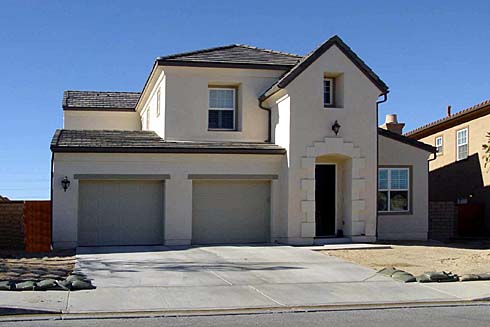
Featured New Home
Featured Mortgage Brokers
- VENTA FINANCIAL GROUP INC, LAS VEGAS, NV
1300 S JONES BLVD STE 150
LAS VEGAS, NV 89146 - FIRST PRIORITY FINANCIAL INC, ROSEVILLE, CA
1050 OPPORTUNITY DR STE 145
ROSEVILLE, CA 95678 - GATEWAY FUNDING DIVERSIFIED MTG SRVS LP, CARMEL, IN
600 E CARMEL DR STE 169
CARMEL, IN 46032 - EVERETT FINANCIAL INC, ORANGE BEACH, AL
25910 CANAL RD STE N
ORANGE BEACH, AL 36561 - 203K.TV, LAGUNA HILLS, CA
22501 CAMINITO COSTA
LAGUNA HILLS, CA 92653